Corridor Chapter 01CHAPTER 01 / 05
01. Trans-Bay of Bengal Flight Path
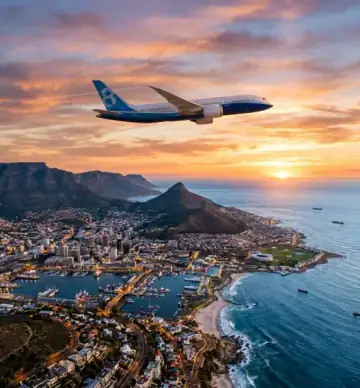
Departing Mumbai Terminal 2, flights cross the Indian peninsula over Hyderabad and Chennai before heading across the Bay of Bengal and tracking south along the Strait of Malacca into Singapore Changi. With flight times just over five hours, the journey is both comfortable and convenient for business and leisure travelers alike.
Key Route Pointers & Practical Takeaways
Direct Route Reliability: Optimized nonstop service between Mumbai and Singapore provides maximum scheduling reliability and minimal transit disruptions.
Dedicated Specialist Desk: Our dedicated airfare desk is available 24/7 to manage seat selection, luggage upgrades, and itinerary modifications.
Airspace & CorridorCHAPTER 02 / 05
02. Flight Corridor Geography & Navigation
The flight trajectory between Mumbai and Singapore follows an optimized Great Circle or airway corridor designed by international air traffic control agencies to maximize fuel efficiency and take advantage of seasonal atmospheric winds. Navigating across multiple airspace boundaries and regional Flight Information Regions (FIRs), pilots utilize modern Performance-Based Navigation (PBN) and Required Navigation Performance (RNP) specifications.
Modern commercial aircraft such as the Boeing 787 Dreamliner, Airbus A350, Boeing 777, and Airbus A330 feature advanced flight management computers that continuously calculate optimal cruising altitudes and stepped climbs. By adjusting speed and altitude in real time, flight crews minimize fuel burn, avoid localized convective turbulence, and ensure reliable on-time arrival performance.
Key Route Pointers & Practical Takeaways
Optimized Great Circle Routing: Flights navigate along optimal great-circle airways and international flight paths coordinated between Mumbai and Singapore regional air traffic control centers.
Stepped Cruising Altitudes: Advanced flight management systems initiate cruise around FL340 (34,000 ft) and step climb to FL400 as fuel burns off, maximizing aerodynamic efficiency.
Cabin & WellnessCHAPTER 03 / 05
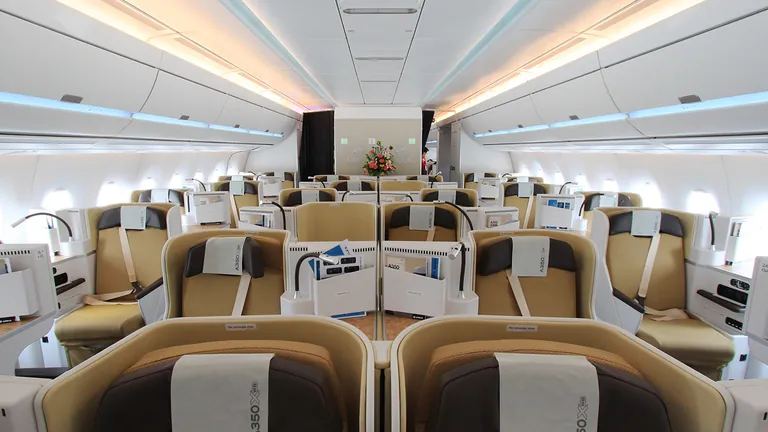
03. Cabin Atmosphere & Long-Haul Passenger Wellness
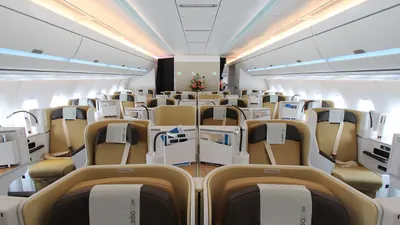
Passenger comfort during a flight of approximately 5h 25m is significantly enhanced by modern aircraft design. Next-generation composite airliners feature advanced environmental control systems that maintain cabin pressurization at an equivalent altitude of 6,000 feet, which is roughly 2,000 feet lower than traditional legacy aircraft. This lower cabin altitude enables higher oxygen absorption, noticeably reducing headaches, dizziness, and post-flight fatigue.
To ensure optimal wellness in flight, travelers are advised to maintain active hydration by drinking at least 250 ml of water per flight hour. Periodic in-seat stretches, calf flexes, and walking through the cabin aisles during cruising flight stimulate blood circulation, significantly reducing the risk of deep vein thrombosis (DVT) and lower-limb swelling on long sectors.
Key Route Pointers & Practical Takeaways
6,000-ft Equivalent Cabin Altitude: Modern composite airframes maintain lower cabin altitude, significantly curtailing post-flight dehydration, headaches, and physical fatigue.
In-Flight Hydration Protocol: Drink at least 250 ml of water per flight hour and execute seated ankle and calf flexes to stimulate lower-limb blood circulation.
Arrival & CustomsCHAPTER 04 / 05
04. Airport Transit & Arrival Logistics
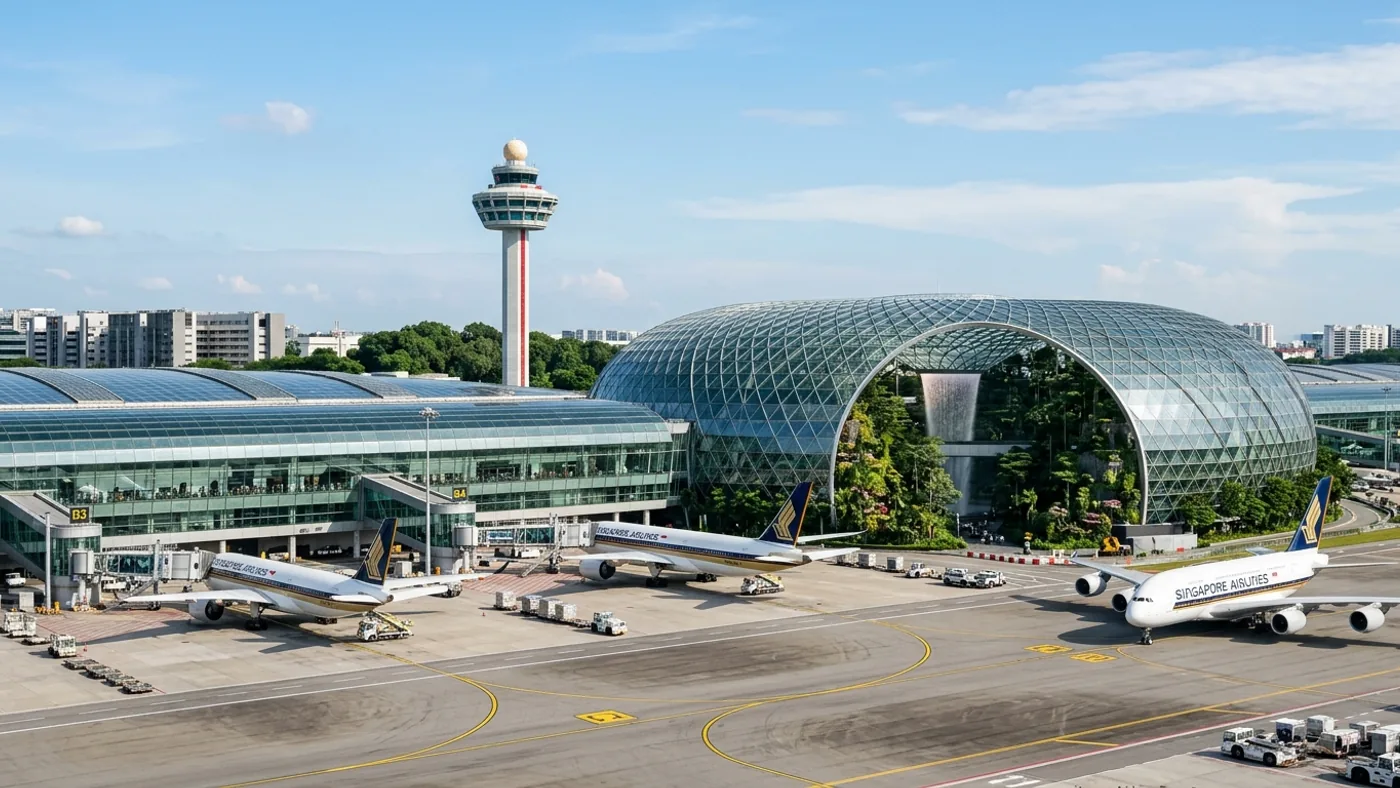
Upon touching down at Singapore (SIN), passengers follow clearly designated terminal signage toward international passport control and customs declaration halls. Travelers connecting to onward regional or domestic flights should verify whether their baggage has been checked through to their final destination or if local regulations mandate retrieving luggage at the initial port of entry for border inspection.
Ground transportation options from Singapore airport encompass rapid express rail links, scheduled airport coach shuttles, metered municipal taxis, and app-based rideshare pick-up zones. Pre-booking ground transit or purchasing digital transit cards in advance ensures a smooth transition from the arrival terminal to your hotel or corporate destination.
Key Route Pointers & Practical Takeaways
Arrival Baggage & Customs Clearance: International arriving passengers collect checked luggage in the arrival baggage hall and proceed through Singapore customs inspection.
Express City Center Transfers: Direct subway train from Changi Airport station.
Alliances & Elite PerksCHAPTER 05 / 05
05. Alliance Loyalty & Frequent Flyer Advantages
Travelers flying the Mumbai to Singapore corridor across global alliances (Oneworld, Star Alliance, and SkyTeam) earn valuable tier-qualifying points and redeemable frequent flyer miles. Top-tier frequent flyers enjoy dedicated priority check-in queues, expedited security access (Fast Track), increased checked baggage allowances, and worldwide business and first class lounge access regardless of the booked travel class.
When reserving flights through Vaavia, your frequent flyer membership number can be seamlessly linked to your reservation, ensuring tier status credits, seat selection privileges, and partner accruals are recognized across all flight sectors.
Key Route Pointers & Practical Takeaways
Reciprocal Alliance Benefits: SkyTeam Elite Plus, Star Alliance Gold, and oneworld Sapphire members receive priority boarding, extra baggage allowance, and worldwide lounge access.
Seamless Mileage Crediting: Provide your frequent flyer number at checkout to ensure tier points, seat selection privileges, and status credits are automatically tracked.







 IATA accredited & CLIA member